Pediatric Chiropractic: What It Is and What Parents Should Know

If you've never brought your child to a chiropractor, the idea might sound unusual at first. Isn't chiropractic for adults with back pain? Not exclusively — and increasingly, parents are seeking out chiropractic care that's specifically designed for babies, children, and pregnant moms. Here's what pediatric chiropractic actually is, and how it may help your little ones.
What Is Pediatric Chiropractic?
Pediatric chiropractic is a specialized branch of chiropractic care focused on the unique needs of a developing nervous system — from the birth process through the teenage years. Rather than treating a specific disease or symptom, the goal is to locate and correct subluxations: areas of spinal misalignment or restricted joint motion that can interfere with proper nervous system function.
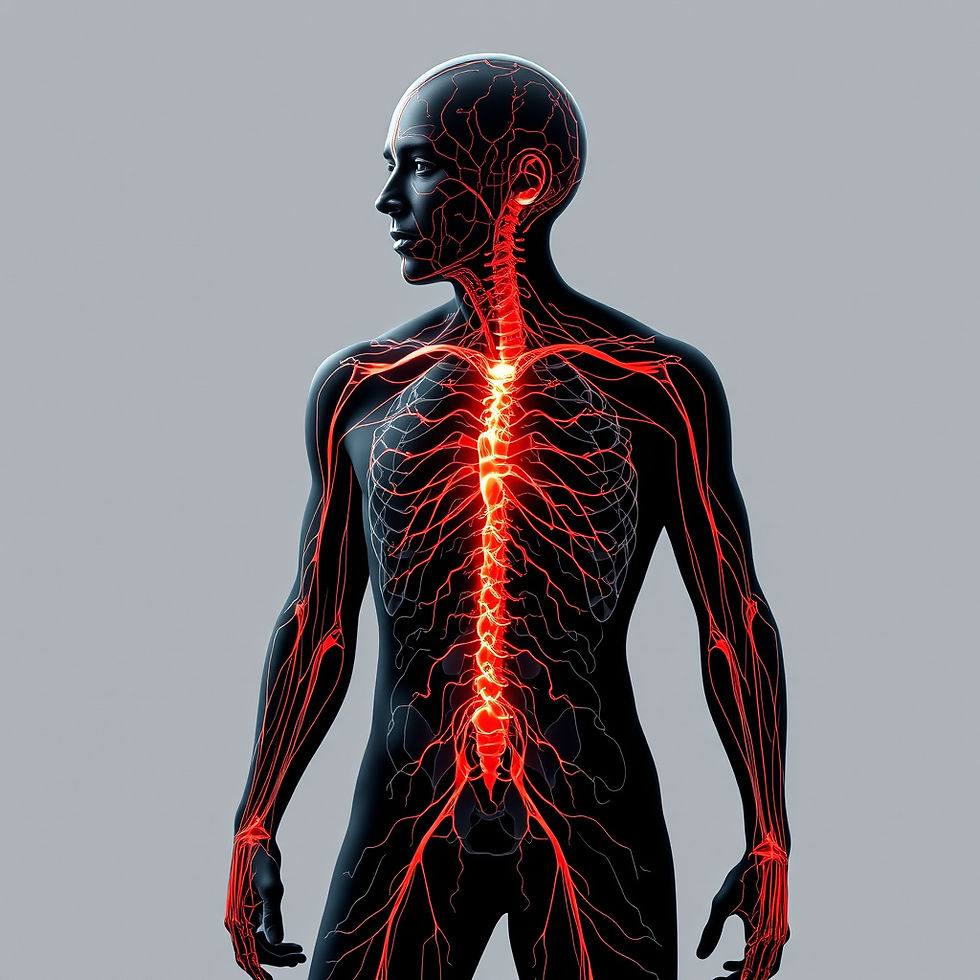
The nervous system controls and coordinates every function in the body, from digestion and immune response to sleep and motor development. When a child's nervous system is functioning well, the body's inborn ability to grow, heal, and adapt can express itself more fully.
Because babies and children have smaller, more delicate frames than adults, pediatric chiropractic adjustments look very different from what you might picture for an adult. Doctors trained in pediatric care use gentle, precise techniques — often with no more pressure than you'd use to test the ripeness of a tomato — tailored to a child's size, age, and developmental stage.
Chiropractors who pursue advanced pediatric training complete hundreds of additional hours of coursework beyond standard chiropractic education focused on things such as pregnancy, birth trauma, and childhood development.
How Birth and Early Life Can Affect a Child's Nervous System
Birth is a physically demanding process — for mom and baby. Whether delivery is vaginal or cesarean, assisted with forceps or vacuum extraction, or simply a long and difficult labor, the forces placed on a newborn's spine and skull can be significant. Add to that the tumbles, falls, and awkward positions of early childhood (learning to hold up a heavy head, sit, crawl, walk, and eventually play sports), and it's easy to see how a young spine and nervous system accumulates a lot of physical stress before a child ever says their first sentence.
Pediatric chiropractors assess for these stresses and work to correct them early, with the aim of supporting healthy nervous system development from the very start.
Reasons Parents Bring in Their Little Ones
Parents seek out pediatric chiropractic care for a wide range of reasons. Some come purely for wellness and proactive spinal checkups, similar to routine well-child visits. Others come with a specific concern in mind. Common reasons that parents bring their babies and children to a pediatric chiropractor can include:
Colic and excessive crying — Infant colic is one of the most frequently studied conditions in pediatric chiropractic.
Torticollis and postural asymmetries — including preference for turning the head to one side, or flattening of one part of the skull (plagiocephaly).
Breastfeeding difficulties related to tension or restricted motion in the neck and jaw.
Ear infections (otitis media) and related fussiness.
Digestive complaints, including reflux and constipation.
Sleep disturbances.
Musculoskeletal complaints, such as low back pain, neck pain, and headaches in older children.
Postural changes and scoliosis monitoring as children grow.
Sports-related strains and injuries in active kids and teens.
What to Expect at Your Child's Visit
A pediatric chiropractic visit typically starts with a thorough health history and a gentle physical and neurological assessment appropriate for your child's age. Techniques are adapted for the child in front of us — an adjustment for a newborn looks different than one for a 10-year-old. Throughout the visit, your child's comfort is the priority: if they're upset or resistant, a good pediatric chiropractor slows down and adapts to help make the child as comfortable as possible.
Parents are welcome (and encouraged) to ask questions, and be part of every step of their child's care.
If you have questions about whether chiropractic care might be a good fit for your child, we'd love to talk it through with you.


Comments